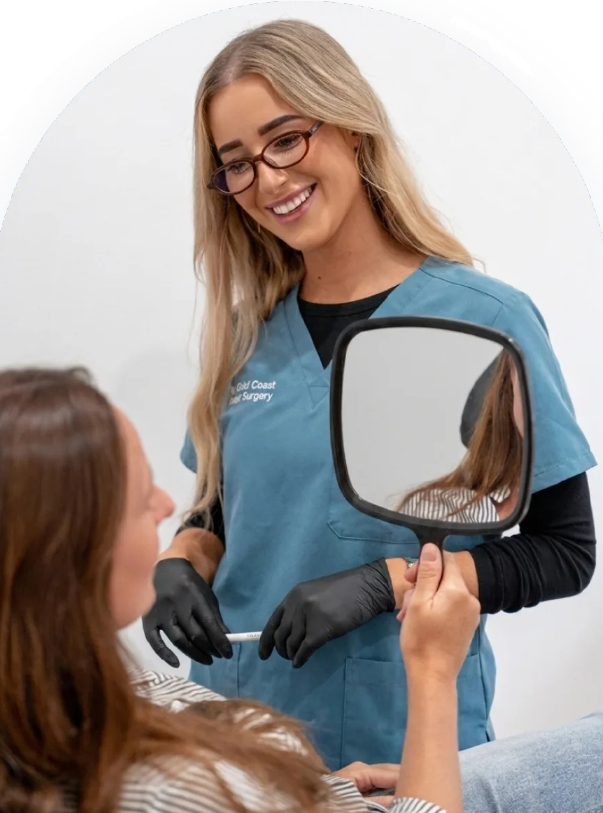
Hand and upper limb surgery addresses conditions affecting the hand, wrist, elbow and surrounding structures that may impact function or cause discomfort. At West Coast Plastic Surgery in Perth, we provide specialist-led assessment and surgical management following comprehensive consultation, with each condition evaluated based on individual presentation and clinical findings.
Carpal Tunnel
Syndrome
Carpal tunnel syndrome is caused by compression of the median nerve at the wrist. Assessment includes review of symptoms, examination and investigations where required to determine appropriate management, including surgical options when indicated.
Cubital tunnel syndrome involves compression of the ulnar nerve at the elbow. Consultation focuses on symptom history, nerve function assessment and discussion of treatment options based on severity and individual factors.
Trigger finger occurs when finger movement is affected by tendon inflammation or narrowing of the tendon sheath. Treatment options are discussed following assessment of symptoms, severity and response to non-surgical management.
Dupuytren disease is a condition affecting the connective tissue of the hand, leading to finger contractures over time. Consultation includes assessment of hand function and discussion of appropriate treatment options based on disease progression.
A ganglion is a fluid-filled swelling that commonly occurs around the wrist or hand. During consultation, we assess the lump, confirm diagnosis and discuss management options, including surgical removal when appropriate.
Hand trauma includes fractures and soft tissue injuries affecting tendons, nerves and blood vessels. Treatment options are discussed following comprehensive assessment, ranging from conservative management to surgical repair based on injury severity.
This content has been medically reviewed by Dr Khan, MBBS, MRCS (Edin), FRACS (Plast)
A clear, structured
approach to your care
Comprehensive Consultation
Your journey begins with a detailed consultation with Specialist Plastic Surgeon Dr Qadir Khan (FRACS). We take time to understand your concerns, review your medical history and discuss suitability, options and potential risks.
Personalised Treatment Planning
Based on your assessment, we develop an individualised treatment plan tailored to your needs. This includes clear discussion of recommended procedures, preparation, recovery considerations and expected follow-up care.
Specialist-Led Procedure
All procedures are performed by a Specialist Plastic Surgeon in appropriately accredited facilities. Care is delivered using established surgical techniques, with patient safety and clinical standards as the priority.
Ongoing Support & Follow-Up
Following treatment, we provide structured post-procedure care and follow-up appointments. Our team remains available to support recovery, monitor progress and address any questions throughout your care.
Why Choose Us
Experienced Medical Professionals
Our highly qualified practitioners bring extensive expertise in cosmetic medicine and skin rejuvenation, delivering safe, effective treatments tailored to your individual needs.
Advanced Treatment Technologies
We utilise the latest medical-grade equipment and proven treatment modalities to address multiple skin concerns with precision and effectiveness.
Personalised Treatment Approach
Every patient receives a thorough consultation and customised treatment plan based on your specific concerns, skin type, and aesthetic goals.
Commitment to Natural-Looking Results
We prioritise subtle, natural-looking outcomes that refresh and rejuvenate your features without appearing overdone or artificial.
Transparent Pricing and Consultations
We provide honest communication about treatment options, expected outcomes, and costs so you can make informed decisions with confidence.
Comprehensive Aftercare Support
We provide thorough aftercare guidance, follow-up appointments, and ongoing support to ensure you achieve the best possible outcomes.
Frequently Asked Questions
When should hand or upper limb symptoms be assessed?
You should seek assessment if you experience persistent pain, numbness, tingling, weakness, or loss of function that interferes with daily activities. Acute injuries such as deep lacerations or suspected fractures require prompt evaluation. Chronic conditions like ongoing numbness (especially at night), difficulty gripping objects, or progressive finger stiffness warrant specialist assessment. Early treatment often leads to better outcomes, particularly for nerve compression and traumatic injuries.
What conditions are treated under hand and upper limb surgery?
We treat a comprehensive range of hand and upper limb conditions including carpal tunnel syndrome, cubital tunnel syndrome, trigger finger, Dupuytren’s disease, and ganglion cysts. We also manage traumatic injuries such as tendon and nerve lacerations, degenerative conditions including arthritis, and congenital hand abnormalities. Treatment approaches range from conservative management to surgical intervention depending on condition severity and functional impact.
Is surgery always required for hand conditions?
No, many hand conditions can be successfully managed with conservative treatments including splinting, activity modification, physiotherapy, anti-inflammatory medications, and steroid injections. Surgery is typically recommended when conservative treatment hasn’t provided relief, symptoms are severe or progressive, or there’s significant functional impairment. During your consultation, Mr Khan will discuss all treatment options and work with you to determine the most appropriate approach for your individual circumstances.
What does recovery involve after hand surgery?
Recovery varies depending on the procedure. Initially, you’ll need hand elevation, pain management, and wound care. Our nursing team provides regular wound checks with complimentary care for 6 weeks. Many procedures benefit from specialised hand therapy to prevent stiffness and restore function. Return to light activities typically occurs within 1-2 weeks for simple procedures, whilst heavy lifting is usually restricted for 6-12 weeks. Full functional recovery can take 3-6 months for complex procedures.
Are there risks associated with hand and upper limb surgery?
As with any surgery, hand procedures carry potential risks including infection, bleeding, nerve injury, stiffness, scarring, and recurrence of the original condition. Complex regional pain syndrome is a rare but serious complication. Specific risks vary by procedure—for example, carpal tunnel release may cause pillar pain, whilst Dupuytren’s surgery can result in finger stiffness. Mr Khan’s specialist training and experience help minimise these risks. During consultation, he’ll discuss risks specific to your planned procedure.