

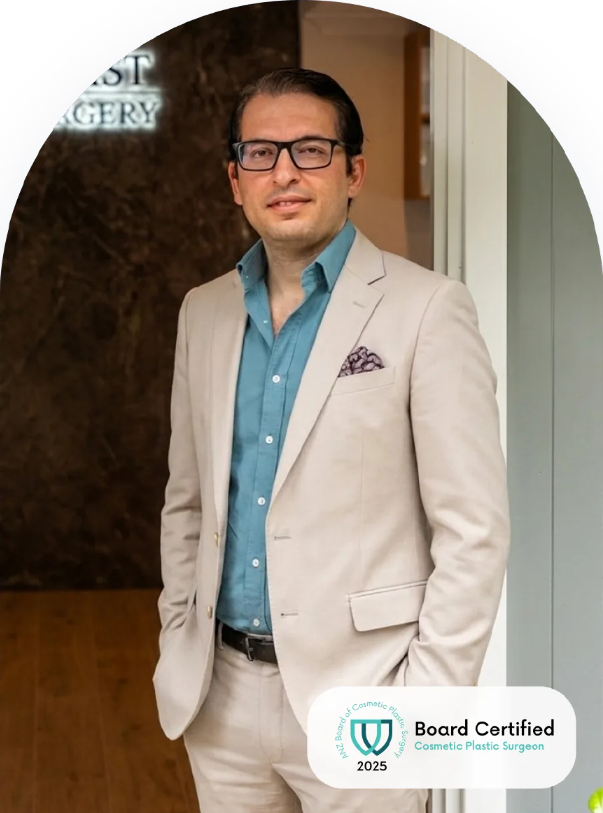
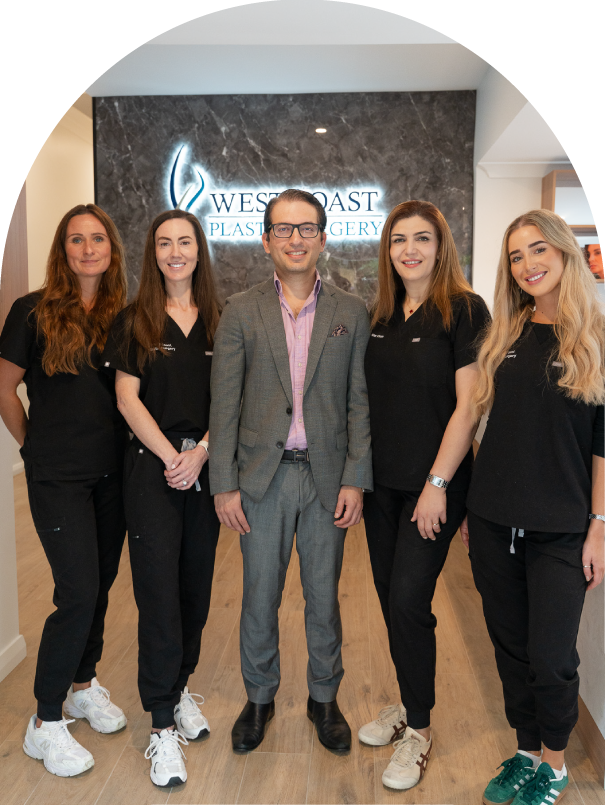
Led by Specialist Plastic Surgeon Dr Qadir Khan (FRACS) AHPRA registration MED0001546567

Body contouring is a surgical procedure that removes excess skin and reshapes the body following significant weight loss. After losing a substantial amount of weight, the skin may not fully tighten due to reduced elasticity, which can leave folds of loose or redundant skin in different areas of the body.
This excess skin may cause practical concerns such as discomfort from skin-on-skin friction, difficulty finding clothes that fit comfortably and self-consciousness about appearance.
Body contouring aims to remove excess skin and tissue while reshaping the underlying body tissues to reshape the body contours. The procedure is tailored to the areas most affected, commonly the abdomen, arms, thighs, hips and buttocks, and may involve one procedure or a combination of procedures depending on your individual needs.
Dr Qadir Khan has experience in post-weight loss body contouring and understands the physical and emotional impact excess skin can have after weight loss. He works closely with each patient to develop a surgical plan based on their specific concerns, body type and goals.
Body contouring surgery may offer physical and lifestyle benefits for people whose weight loss has resulted in significant excess skin causing functional limitations or discomfort.
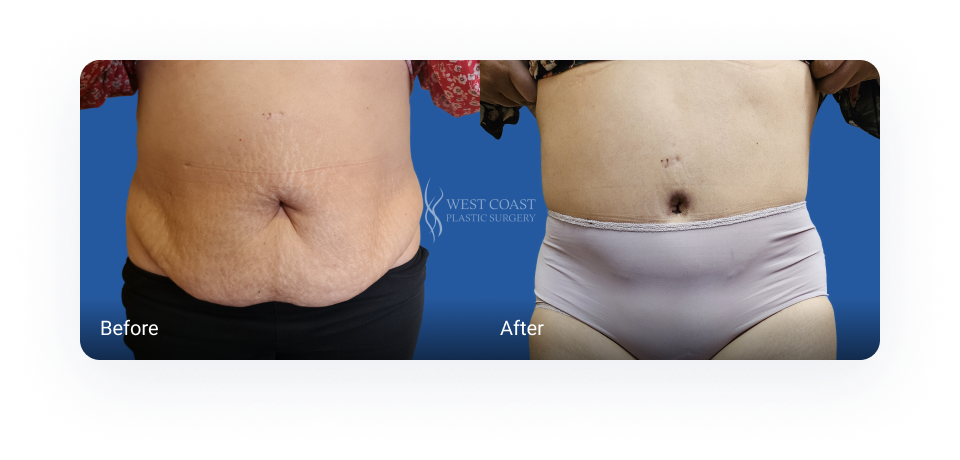
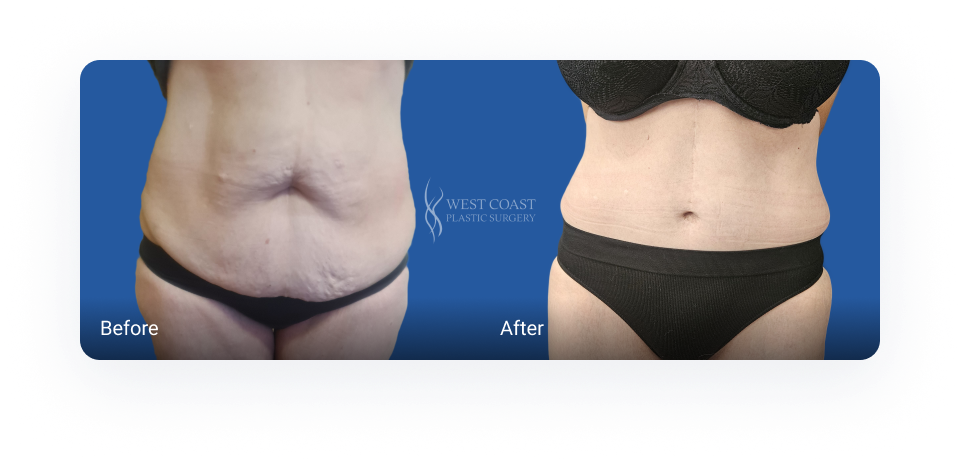
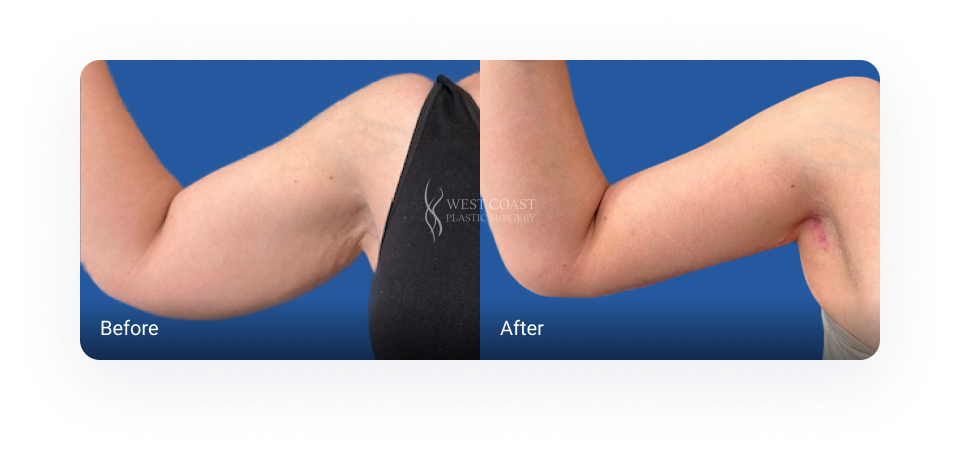
The images are used with consent of the patient. Results may vary from one person to the other and this is a representation of the results for this particular patient.
Excess skin can fold on itself, creating areas prone to irritation, infection, or fungal growth, particularly under the breasts, in the abdomen, or between the thighs. This friction and moisture may also cause persistent itching, redness, and soreness. By removing excess skin, body contouring may help reduce irritation associated with excess skin folds.
Physical activity may become more comfortable following body contouring. The weight and bulk of excess skin may restrict movement and create discomfort during activities like walking, running, or gym work. Large skin folds may also potentially chafe or pull, making exercise uncomfortable.
Body contouring may improve mobility by reducing the physical burden of excess tissue. Activities such as walking, running, swimming, and gym-based exercise may feel easier following surgery. This improved mobility may support ongoing fitness goals and an active lifestyle.
Another practical benefit is the potential to wear a wider range of clothing comfortably. Excess skin can make it difficult to find clothes that fit well, often requiring custom garments or significantly larger sizes than the patient’s actual body frame. This can be frustrating and costly.
Changes following body contouring may potentially be long-lasting, although the appearance of treated areas may change over time. Significant weight changes, pregnancy and the natural ageing process can, for instance, affect results.
Body contouring may be suitable for someone who has had significant weight loss and has excess or redundant skin that does not respond to exercise or diet.
Ideal candidates often experience one or more of the following:
Suitability for body contouring in Perth is assessed based on overall health, weight stability, and individual symptoms, not on specific measurements or appearance alone. During your consultation, Dr Khan will assess whether surgery is appropriate for you.
Candidates for body contouring should have realistic expectations about surgical outcomes and scarring. While body contouring may produce improvements, there may also be scarring. During your consultation, Dr Khan will show you where scars are likely to be positioned and discuss how they evolve over time.
It’s important to understand that body contouring reshapes your body based on your individual anatomy and the amount of excess skin. Results are customised to you, not to a specific aesthetic ideal, and Dr Khan will ensure you understand what realistic outcomes look like before surgery.
Smoking can impair wound healing and increase the risk of complications following surgery. If you smoke, you may be advised to stop smoking at least 2–4 weeks before surgery and throughout the recovery period to support healing and reduce potential risks.
Candidates should be in good general health without uncontrolled medical conditions such as unmanaged diabetes, cardiac disease, or active infections. Dr Khan will review your medical history in detail and may order investigations to assess your surgical safety.
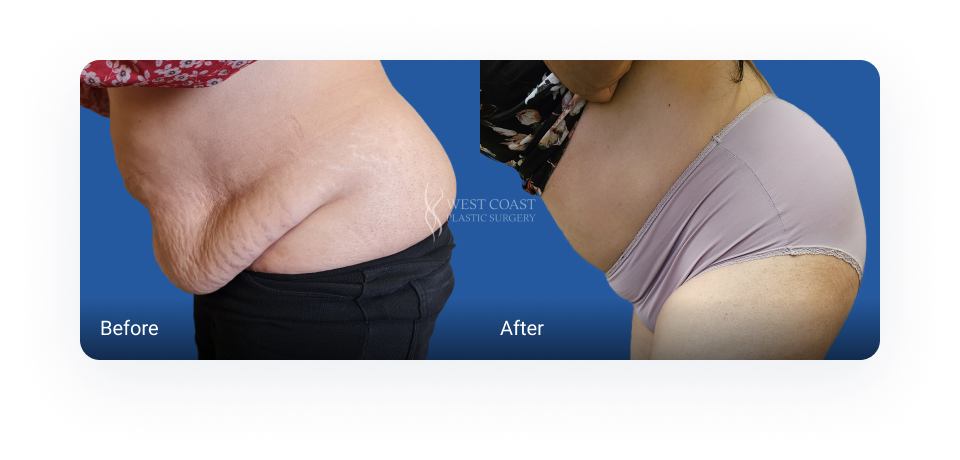
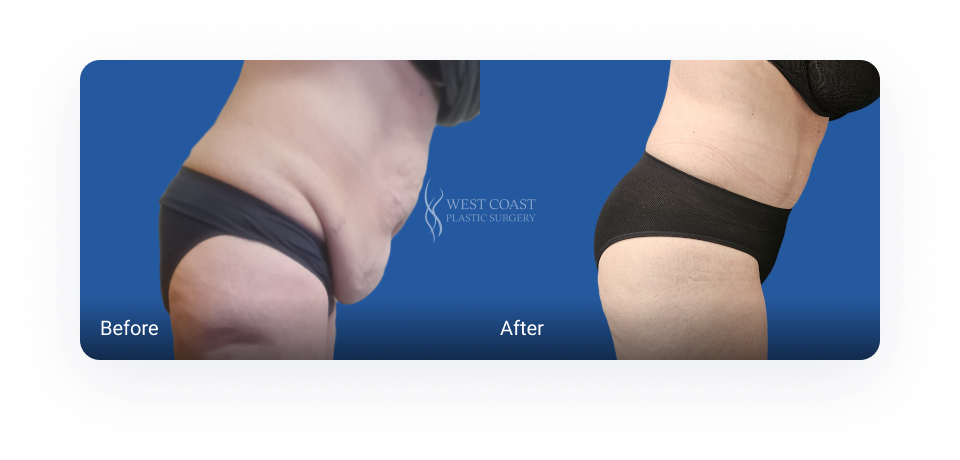
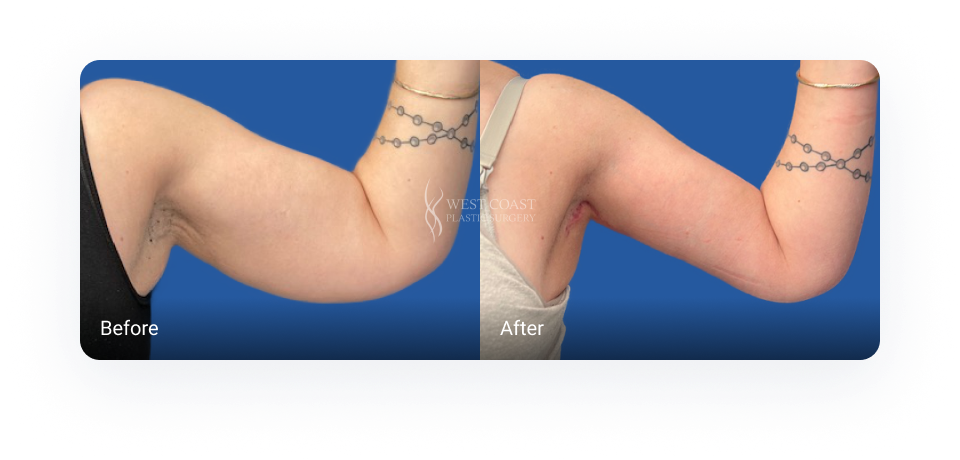
*Individual results vary as the outcomes experienced by one person do not necessarily reflect the outcomes that other people may experience, as results may vary due to many factors, including the individual’s genetics, diet and exercise. Please schedule the initial consultation so we can review your case and show you similar patient results.
Body contouring may involve one procedure, or in selected circumstances, several procedures to address multiple areas affected by significant weight loss. The procedures available depend on which areas of your body have excess skin and your individual goals. At West Coast Plastic Surgery, Dr Khan tailors the approach to your needs and develops a comprehensive plan to address your concerns.

Abdominoplasty is a surgical procedure designed to remove excess skin and fat from the abdomen and may involve tightening the underlying abdominal muscles (rectus repair). The procedure may help address excess abdominal skin that may fold, causing discomfort or skin irritation, and may support improved exercise comfort.
Lower body lift is a more comprehensive procedure designed to address excess skin across the abdomen, flanks (sides), hips, buttocks, and upper thighs. This procedure may be appropriate for patients with significant post-weight loss changes affecting multiple lower body areas.
Arm lift is a surgical procedure that removes excess skin from the upper arms. The procedure may help create a smoother arm contour and can help reduce discomfort that excess skin may cause during physical activity and daily movement.
Thigh lift is a surgical procedure designed to remove excess skin from the inner or outer thighs. The procedure may help improve thigh contour and may help address discomfort or skin irritation caused by excess skin. The procedure may address the inner thighs, outer thighs, or both depending on where excess skin is most prominent.
For patients with significant excess skin affecting both the upper thighs and buttocks area, procedures addressing the upper thigh region may be combined with an abdominoplasty or lower body lift, though this is dependent on your individual circumstances.
Liposuction may be combined with body contouring to help refine contours and address residual fat deposits in areas not addressed by skin removal.
Upper body lift is a procedure designed to address excess skin on the back, sides, and under the arms. This procedure may be appropriate for patients with significant upper body skin laxity following weight loss, particularly when combined with lower body contouring.
At West Coast Plastic Surgery, every body contouring procedure is planned according to the areas being treated, your anatomy and the proposed surgical approach. Here is a general overview of the steps involved in body contouring surgery.

Dr Khan develops a personalised surgical plan, marking incision sites, discussing tissue removal and reshaping, scar placement, and expected procedure duration. Anaesthetic requirements are also reviewed.

Body contouring surgery is typically performed under general anaesthetic, with an experienced anaesthetic team monitoring your vital signs throughout the procedure. Your anaesthetist will review your medical history, medications and any previous reactions to anaesthesia.

Incisions are carefully planned according to the procedures performed and the amount of excess skin being removed. Their placement varies depending on the procedure, with consideration given to minimising scar visibility where possible.
Excess skin, fat and tissue are removed according to the surgical plan. Where appropriate, underlying muscles, such as the abdominal muscles during abdominoplasty, may also be tightened or repaired.

Remaining skin is repositioned and reshaped to achieve the planned contours without excessive tension. Incisions are closed with layered sutures, followed by dressings and supportive garments to assist healing and manage swelling.

Single body contouring procedures typically take 3–4 hours, while combined procedures may take 6–8 hours. Dr Khan will discuss the expected duration based on your individual surgical plan.
It’s important to remember that each body contouring procedure is customised to the patient’s individual needs and goals. The exact steps of your procedure may vary slightly. We will ensure you understand your personalised surgical plan before the day of your procedure.
Mr Khan then moved to Perth, Australia in 2007. He was selected for the highly competitive specialist training programme in Plastic, Reconstructive & Aesthetic Surgery in 2014. After the successful completion of his fellowship with the Royal Australasian College of Surgeons in early 2019, he travelled to Brisbane and Newcastle Upon Tyne, England for post-training fellowships in Head & Neck Surgery, Microsurgery, Facial palsy and Sarcoma.
Mr Khan has published in the peer-reviewed Plastic Surgery journal, presented at national and international conferences and has been part of the training faculty in international plastic surgery flap reconstruction courses in the UK.
Qualifications:





Recovery from body contouring takes time and patience. At West Coast Plastic Surgery, we are committed to supporting you through every stage of your recovery.

You will receive detailed aftercare instructions covering wound care, medications, activity restrictions, warning signs, and follow-up appointments. Following these guidelines is important for supporting recovery and reducing the risk of complications.
Some discomfort is expected after body contouring surgery and can be managed with prescribed pain medication. Dr Khan will advise on comfortable sitting and sleeping positions, including using supportive pillows to minimise tension on incisions during healing.
Proper incision care includes cleaning, dressing changes, keeping wounds protected, and monitoring for signs of infection. Your nursing team will check your wounds and guide you on home care, advising you when to contact the clinic with concerns.
You will wear supportive compression garments following surgery to help manage swelling and support the newly reshaped contours. These garments are typically worn for 4–6 weeks and may help manage swelling and provide support during the early recovery period.
Physical activity should be significantly limited during the initial recovery period:
Weeks 1–2: Activity is generally limited to gentle movement such as walking, as advised by your treating team.
Weeks 2–4: Gradually increase walking. Continue to avoid heavy lifting and strenuous exercise.
Weeks 4–6: Begin light activity as directed by Dr Khan. Avoid heavy lifting and strenuous exercise.
After 6 weeks: Gradual return to normal activity and exercise based on your individual healing and Dr Khan’s guidance.
Our practice manager will contact you the day after surgery to check on your recovery, and Dr Khan will see you within 4–14 days, depending on your procedures. Nursing staff will conduct regular wound checks, with follow-up appointments arranged according to your individual recovery plan.
Swelling and bruising may occur and typically gradually improve over weeks and months. Significant swelling may improve during the first several weeks, although some swelling can persist for several months. The timing of recovery varies between individuals and depends on the procedure performed. Final results may become apparent as swelling fully resolves, typically around 3–6 months post-surgery.
Scars are usually most noticeable during the first few months and gradually fade over 12–18 months. Their appearance varies depending on individual healing, skin type, age, surgical extent, and aftercare, including sun protection.
Dr Khan plans incisions in less visible areas where possible, such as natural body lines, swimwear areas, or beneath clothing.
Every patient’s recovery is unique and depends on individual health and the procedure performed. Our team will closely monitor your progress and remain available to answer any questions or concerns throughout your recovery.
As with all surgical procedures, body contouring carries potential risks.
During your consultation, Dr Khan will discuss these risks in detail.

Body contouring may remove excess skin and reshape areas of the body following significant weight loss. The outcome varies between individuals and may depend on factors such as the amount and quality of excess skin, skin elasticity, overall health, healing, and weight stability. During your consultation, Dr Khan can assess your individual circumstances, discuss what surgery may involve and explain the potential outcomes and limitations.
Body contouring procedures aim to remove excess skin and, where appropriate, reshape underlying tissues to alter the body’s contours. Depending on the procedure, surgery may address areas such as the abdomen, arms, thighs or lower body. The areas treated and the extent of surgery will depend on your individual anatomy, concerns and treatment plan.
Body contouring involves carefully planned incisions to remove excess skin and, where appropriate, excess fat. Some procedures may also involve repositioning or tightening underlying tissues. The remaining skin is then repositioned to create the planned contour. The surgical technique, incision pattern and extent of treatment vary depending on the procedure and the areas being treated. Dr Khan will discuss the proposed surgical approach with you during your consultation.
The skin removed during body contouring is typically permanent; however, the appearance of the treated areas can change over time due to factors such as significant weight changes, pregnancy and the natural ageing process. Maintaining a stable weight may help maintain the changes achieved through surgery.
Body contouring is surgery and, like all surgical procedures, carries potential risks and complications. These may include bleeding, infection, wound-healing problems, changes in sensation, scarring, fluid accumulation, asymmetry and complications associated with anaesthesia. The risks vary depending on the procedure and your individual circumstances. Dr Khan will discuss the potential risks, benefits and limitations of the recommended procedure with you before you decide whether to proceed.
In some circumstances, multiple body contouring procedures may be performed during the same operation. Whether procedures can be safely combined depends on factors such as your overall health, the areas being treated, the extent of surgery and the expected operating time. In some cases, procedures may be staged across separate operations. Dr Khan will assess your individual circumstances and discuss the available options with you.
Body contouring procedures such as an arm lift, thigh lift or lower body lift typically do not involve surgery on the breasts and would not generally be expected to directly affect breastfeeding. Abdominoplasty does not involve the breasts either, although a breast lift or mastopexy involves reshaping the breasts which may or may not affect breast feeding. If future pregnancy or breastfeeding is relevant to you, discuss this with Dr Khan during your consultation so that it can be considered as part of your treatment planning.
Significant weight gain after body contouring may stretch the remaining skin and potentially alter the contours achieved through surgery. Weight fluctuations may therefore affect the appearance of the treated areas over time. Maintaining a stable weight may help support the changes achieved through surgery.
with our patient coordinator