

If you are considering breast reduction surgery in Perth, but also hope to have children in the future, you may be wondering if the surgery will affect your ability to breastfeed.
The answer is that it depends on several factors, including the surgical technique used, your individual anatomy, and how your body heals after surgery. While no surgeon can guarantee whether you’ll be able to breastfeed successfully, understanding how breast reduction surgery may affect milk production can help you make a more informed decision.
This article explains how breast reduction surgery may influence breastfeeding, the factors that can affect milk supply, and what to discuss with Dr Khan at West Coast Plastic Surgery when planning your treatment.
What is Breast Reduction (Reduction Mammoplasty)?
A breast reduction is a surgical procedure that removes excess breast tissue, fat and skin to reduce the size and weight of the breasts. It is often considered by people experiencing physical discomfort associated with larger breasts, such as neck, back or shoulder pain, skin irritation, or difficulty with physical activity.
During the procedure, the breast tissue is reshaped, and the nipple is usually repositioned to suit the smaller breast size. The extent of tissue removed, the technique used and how the nipple and surrounding structures are managed can all vary depending on individual circumstances and the surgical plan. As with any surgery, the approach is determined through clinical assessment.
How Breastfeeding Works
To understand how breast reduction surgery may affect breastfeeding, it helps to understand how the breast produces and delivers milk.
Milk Production
Milk is produced by glandular tissue within the breast. It then travels through a network of milk ducts to the nipple, where it can be released during breastfeeding.
The Role of Nerves
The nerves around the nipple and areola are just as important as the milk-producing tissue. When a baby feeds, stimulation of these nerves signals the body to release hormones that encourage milk production and help milk flow from the breast.

Breast reduction may affect breastfeeding, but this varies between individuals.
Does Breast Reduction Affect Breastfeeding?
Breast reduction surgery may affect breastfeeding, but this varies considerably from person to person. Some people can breastfeed after a breast reduction; some can breastfeed partially and supplement with formula; others may find they produce little or no milk. It is not possible to predict with certainty before surgery how an individual’s ability to breastfeed will be affected.
Several factors can influence the outcome:
Surgical technique
The way the breast is reshaped, and in particular if the nipple is repositioned, can influence breastfeeding potential. Techniques that keep the nipple attached to the underlying breast tissue aim to preserve the blood supply, nerves and milk ducts. Depending on the individual, this may help preserve the structures involved in breastfeeding, although breastfeeding cannot be guaranteed.
Amount of tissue removed
As glandular tissue is responsible for producing milk, the extent of tissue removed may influence milk production capacity.
Duct and nerve preservation
Milk ducts and the nerves involved in breastfeeding can be affected during surgery. How well these structures are preserved may influence your ability to breastfeed afterwards.
Individual healing and anatomy
Every person’s anatomy and healing process is different. Some people experience better recovery of nerve function over time, while others may notice little change. As everyone heals differently, it’s difficult to predict how breast reduction surgery may affect breastfeeding.
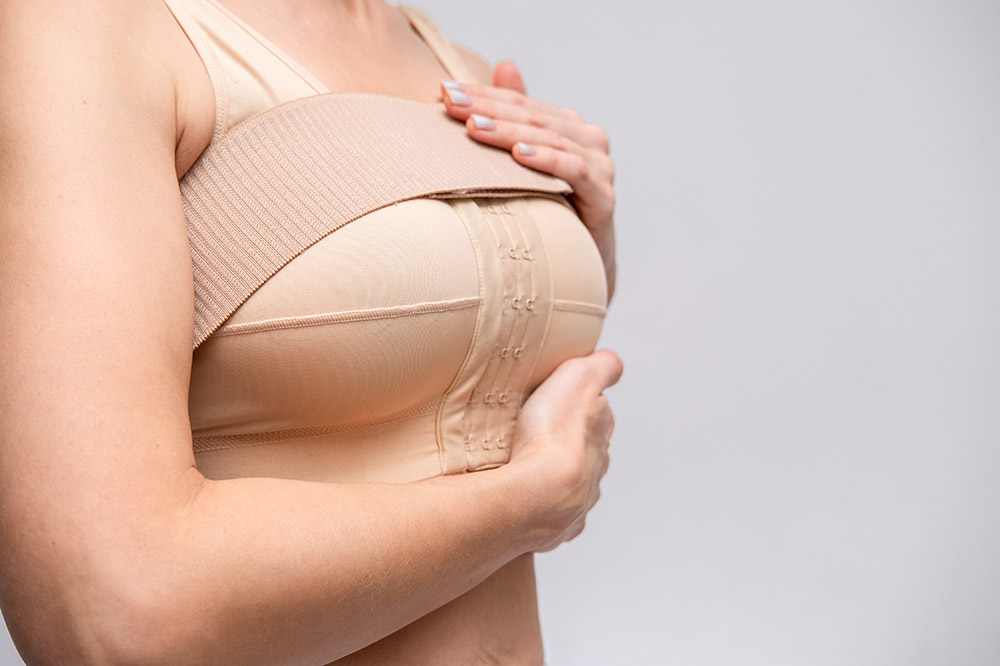
The surgical technique used during breast reduction can influence your ability to breastfeed in the future.
How Surgical Technique May Affect Breastfeeding
The surgical technique used during breast reduction may influence your ability to breastfeed in the future. While no technique can guarantee breastfeeding will be possible, some approaches aim to preserve the structures involved in milk production and delivery.
Pedicle Techniques
Many modern breast reduction procedures use a pedicle technique, where the nipple and areola remain attached to a section of underlying breast tissue. This helps maintain the blood supply, nerves and milk ducts connected to the nipple.
As these structures are preserved where possible, pedicle techniques may offer a greater likelihood of preserving breastfeeding function than techniques that completely detach the nipple.
Free Nipple Graft
In some cases, particularly when a very large breast reduction is required, a free nipple graft may be recommended. With this technique, the nipple is completely detached and then repositioned as a skin graft.
As the milk ducts and nerves are divided during this process, breastfeeding is generally much less likely to be possible after surgery.
Choosing the Most Appropriate Technique
The most suitable surgical technique depends on several factors, including your anatomy, the amount of breast tissue being removed, your goals and your surgeon’s clinical assessment. If preserving your breastfeeding potential is important to you, it is important to discuss this during your consultation.
Does the Timing of Surgery Matter?
For some people, the timing of breast reduction surgery is another important consideration.
Some choose to wait until they have finished having children because pregnancy and breastfeeding can change the size and shape of the breasts, which may affect the long-term appearance of the surgical result. Others choose to have surgery before future pregnancies after discussing the potential considerations with their surgeon.
There is no single right approach. The best timing depends on your individual circumstances, priorities and health. Dr Khan can discuss these considerations with you during your consultation.
What Should You Discuss During Your Consultation?
If you hope to breastfeed in the future, it’s important to mention this during your consultation so it can be considered as part of your treatment planning.
Topics you may wish to discuss include:
- Your plans for future pregnancies and breastfeeding
- Which surgical techniques may be appropriate for your circumstances
- The factors that may influence breastfeeding after surgery
- What breast reduction surgery can and cannot guarantee regarding future breastfeeding.
Breast Reduction at West Coast Plastic Surgery
At West Coast Plastic Surgery, your breast reduction procedure is performed by Dr Qadir Khan, a FRACS-qualified Specialist Plastic Surgeon. Dr Khan and his team provide guidance throughout the consultation, surgical planning and recovery process.
Our clinic is located at 16 Thelma Street, West Perth and all treatment decisions are made following comprehensive consultation and in accordance with Australian regulatory standards.
AHPRA Registration Number: MED0001546567.
For further information about breast reduction surgery, you may contact us directly to arrange a consultation.
FAQs
Can you breastfeed after breast reduction surgery?
Yes, some people can breastfeed after breast reduction surgery. Others may produce a reduced milk supply or find they are unable to breastfeed. The outcome depends on several factors, including the surgical technique used, the amount of tissue removed, the preservation of milk ducts and nerves, and individual anatomy and healing. Unfortunately, it is not possible to guarantee breastfeeding ability before surgery.
Does breast reduction always affect milk supply?
No, breast reduction surgery does not affect everyone in the same way. Some people can produce a full milk supply, others a partial supply, and some may produce little or no milk. As the outcome varies between individuals, it’s difficult to predict before surgery.
Which breast reduction techniques are more likely to preserve breastfeeding?
Techniques that keep the nipple attached to the underlying breast tissue (known as pedicle techniques) aim to preserve the blood supply, nerves and milk ducts, and may be associated with a greater likelihood of retaining breastfeeding function. Techniques that completely detach and reposition the nipple, such as a free nipple graft, generally have a greater impact on breastfeeding. The most appropriate technique depends on your anatomy, treatment goals and your surgeon’s clinical assessment.
What if I can’t produce enough milk after breast reduction surgery?
If your milk supply is reduced after breast reduction surgery, you may still be able to breastfeed while supplementing with formula if needed. A lactation consultant or healthcare professional can assess your baby’s feeding needs and help you develop a feeding plan that works for you and your baby.
Is it possible to increase milk supply after breast reduction surgery?
Some people may be able to optimise their milk supply through strategies such as frequent feeding or expressing, together with support from a lactation consultant. However, the extent to which milk supply can be improved depends on individual factors, including the amount of functioning glandular tissue, milk ducts, and nerve function remaining after surgery.
Should I wait until after having children to have a breast reduction?
Not necessarily. Some people choose to delay breast reduction surgery until after completing their family because pregnancy and breastfeeding can change the size and shape of the breasts. Others decide to proceed with surgery. The right timing depends on your individual circumstances, symptoms and future plans, and is something to discuss with your surgeon.
This article provides general information only and does not constitute medical advice. Breast reduction is a surgical procedure that carries risks, including risks related to anaesthesia, bleeding, infection, scarring, delayed wound healing, changes in sensation, fluid collection, blood clots and the possible need for revision surgery. A consultation with a qualified medical practitioner is necessary to determine whether a procedure is suitable for you.